THE ARCHITECTURE OF WAITING: DEFERRAL ON SÃO PAULO’S UNEVEN GROUND
Book manuscript in progress
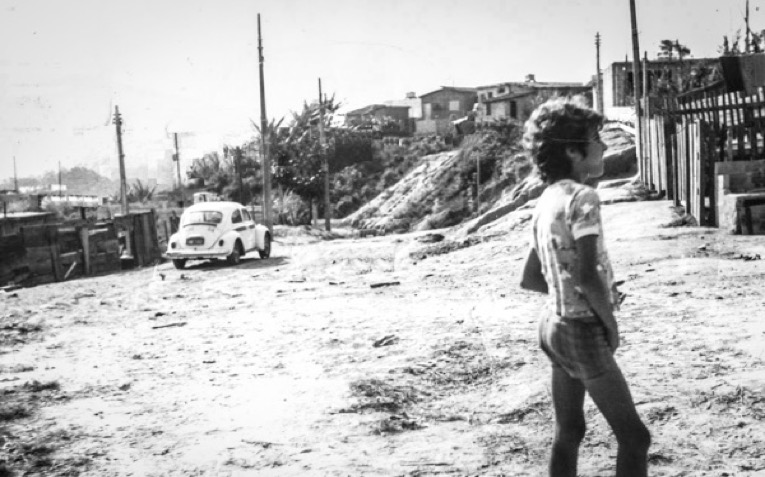
In Tremembé and Jaçanã, on the northern edge of São Paulo, families built their houses long before the city brought them water or recognized their land. I have followed these neighborhoods since 2014, alongside self-builders and mutirão leaders, and inside the offices where their requests accumulate for decades. The book argues that waiting itself became an architecture: a set of deferrals in infrastructure and legal recognition that shaped the periphery long before planners drew its zoning maps. The chapters move from the colonial forest of the Cantareira to the house as a living organ, and finally to the moment when infrastructure arrives as demolition. A Hellman Fellowship supports the final phase of the research.
RAISING THE GROUND, CLIMBING THE TREES
Chapter in Terrestrial Politics in the Age of Climate Change. Mess of a Planet (Edward Elgar), in press
On the Lower East Side of Manhattan, a flood protection project cut down the trees of East River Park and raised the park on new fill. Residents gathered around the trees to defend them. The chapter reads this project as a case of territorial irreversibility: once engineers remove the ground, no one can restore what grew there, and the people who contest the decision must invent other ways to hold on to the place.

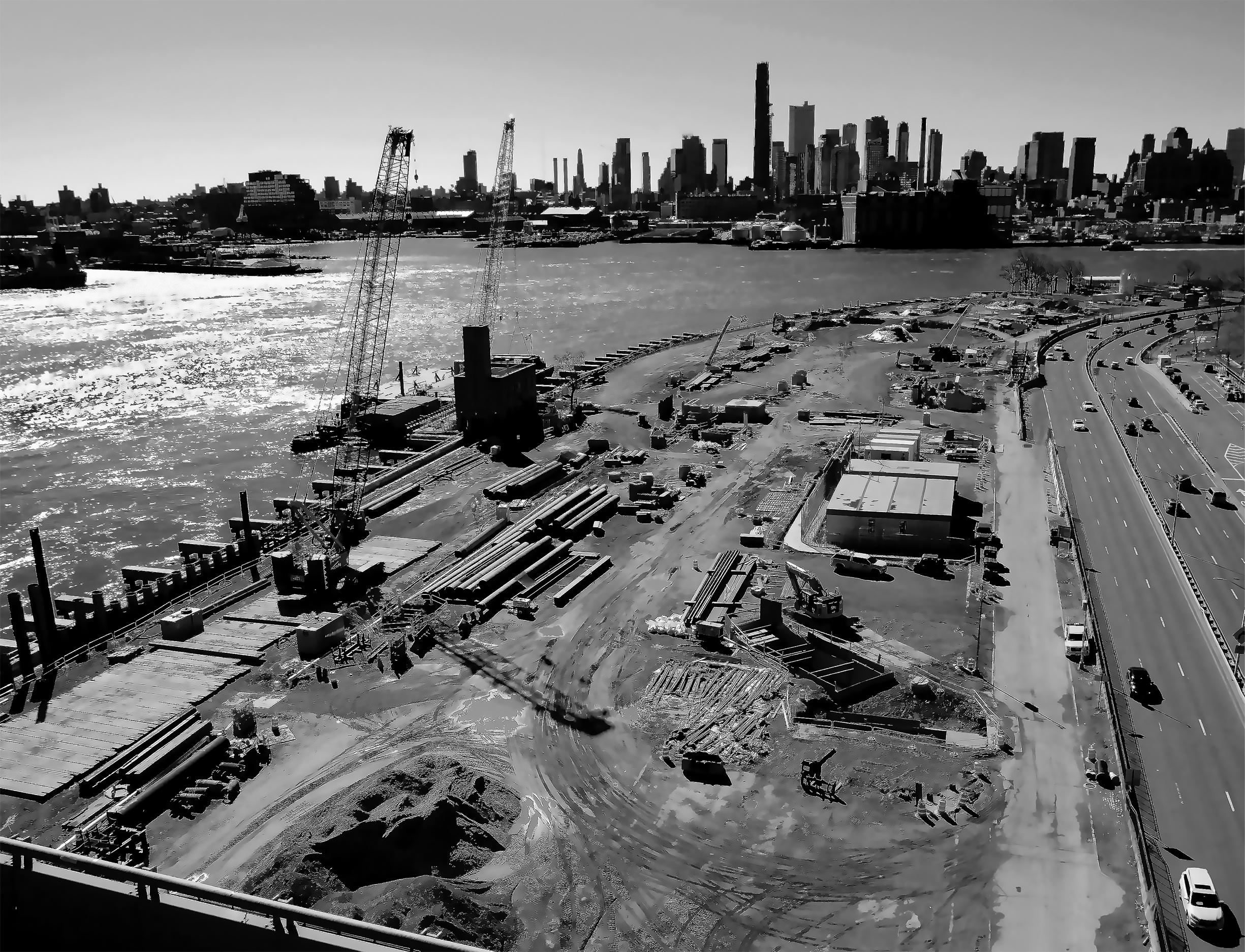
Photo by Ralf Korbmacher
CONCRETE: ASSEMBLING MODERNITY IN MEXICO CITY
Chapter in Ciudad de México: Siete Categorías Materiales (UAM Press, 2025)
In Naucalpan de Juárez, just outside Mexico City, Luis Barragán’s Torres de Satélite still stand as icons of a middle-class suburban dream. Nearby, along the Río Hondo, residents of the colonias populares built their homes with the same material. The chapter asks why concrete came to seem the only possible way to build in the periphery. It follows cement from the monuments of the Mexican Miracle to the supply chains that carried it into self-built neighborhoods, where cement companies, with the help of politicians and intermediaries, turned autoconstruction into a profitable market. Concrete embeds these alliances in every wall it raises.