“Nature” & “Society”
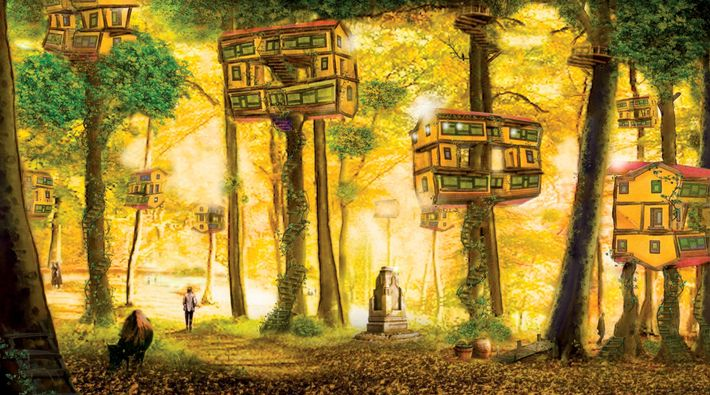
Environment and society interact on scales from the local to the global. This course explores these interactions and introduces students to the interdisciplinary methods of environmental studies. We investigate the social, political, and historical aspects of environmental problems — including massive urbanization, environmental racism, species extinction, climate change, and more — as well as their possible solutions.
Our entry point to these dynamics are cities and global urban dynamics, providing valuable insights into the intersections of environments and metropolitan ecosystems. We analyze urban projects and spatial activism across diverse contexts, including cities in the Global South, and will examine urban plans, architectural interventions, guerrilla urbanism, official and grassroots spatial maps, and other techno-political artifacts.
Throughout the course, we ask how unequal distributions of power affect people and environments. Case studies, readings, discussions, and field exercises will help students develop their understanding of how built and unbuilt environments influence and are influenced by human activities. The course concludes with a hands-on project, allowing students to express their ideas through a combination of text and images or text and videos.
 GIUSEPPINA FORTE