Architecture as Politics: Space, Design, Technology
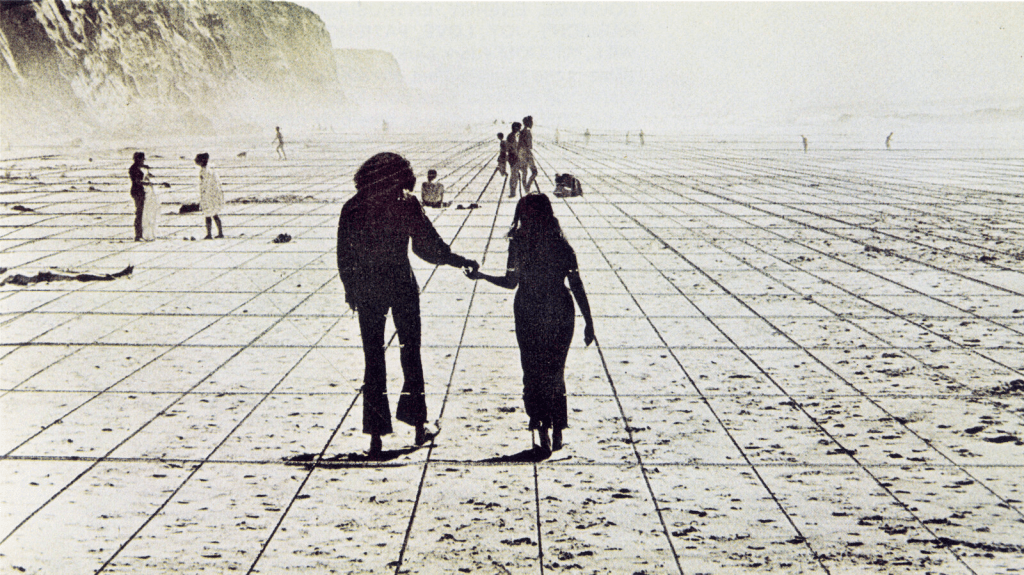
This course delves into the intersection of architecture as a form of political expression, technology, and their collective impact on societal change. Emphasizing architecture as a discipline deeply intertwined with politics and shaped by technological advancement, this course will examine how a spectrum of art tools–from traditional to digital and computational–helps shape buildings and public spaces, shifts power structures, and hinders or promotes social justice. The curriculum blends theoretical exploration with practical application. Students will engage in critical analysis, technology-driven design workshops, and peer evaluations, culminating in a final project that melds techno-political theory with cutting-edge architectural practices. This course is ideal for students keen on leveraging technological architectural techniques to craft spaces with profound political and social impact.
This is an intensive studio tutorial requiring working outside of scheduled class hours. In this course, students can work with the following media assuming that they can master them for a 200-level course: architecture models (physical and digital), photo reportages, 2D collages (e.g., Photoshop), digital humanities (cartographies, counter mapping, oral histories, digital archives), and curatorial platforms. Students will participate in tutorials plus a final project of significant scope. Evaluation will be based primarily on the quality of the final project but also on participation.
 GIUSEPPINA FORTE